
Pantanal Leopard: The Elusive Jaguar of the World’s Largest Wetland
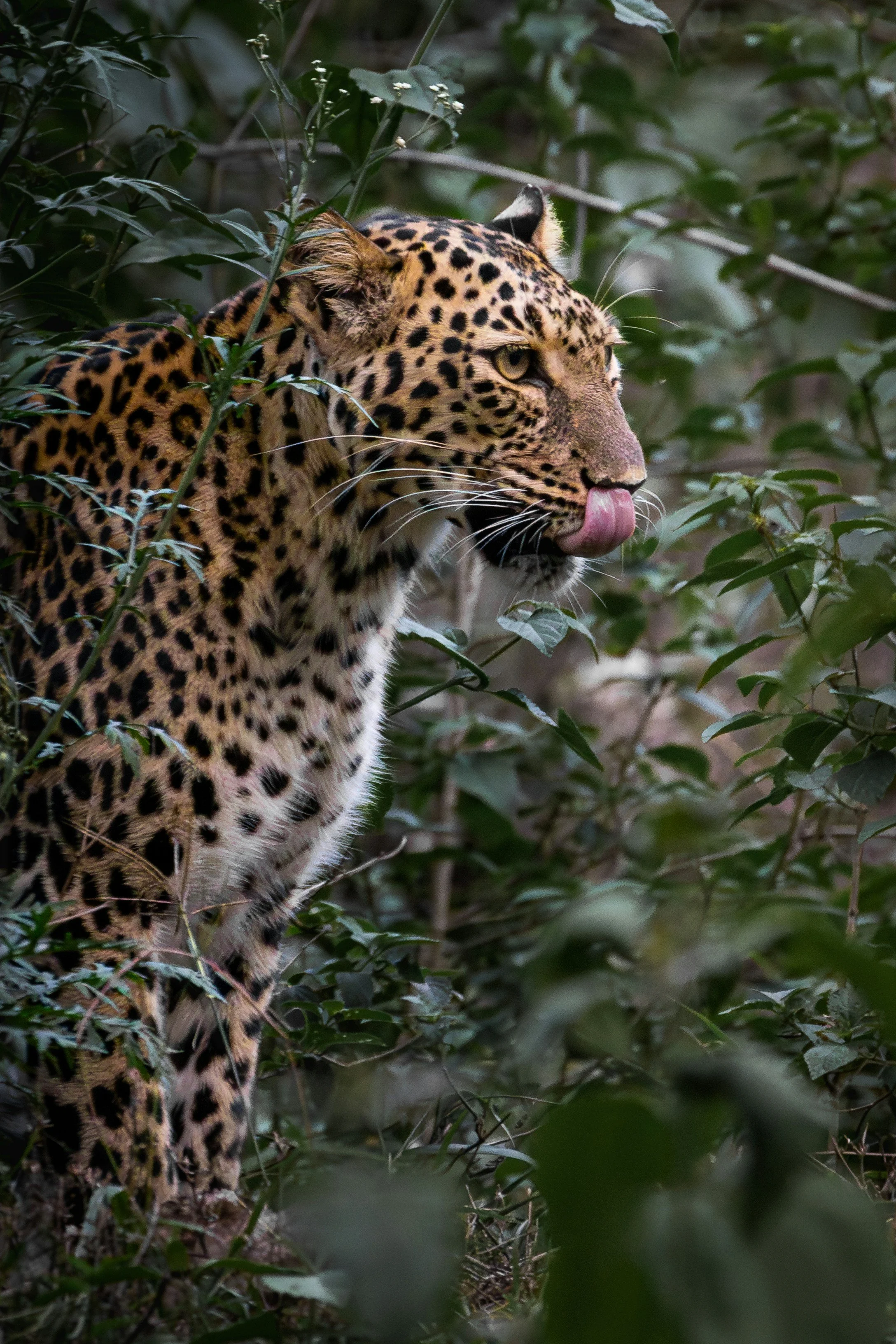
The Pantanal, the immense natural wetland that stretches across Brazil, Bolivia, and Paraguay, is home to one of the world’s most iconic and elusive big cats—the jaguar. Often called the “Pantanal Leopard” due to its spotted coat resembling that of a leopard, this majestic animal embodies the wild spirit of the region. But why is the Pantanal jaguar so unique, and what makes it different from other big cats?
Adapted to Life in Water and Wetlands
Unlike leopards found in Africa or Asia, the jaguar of the Pantanal has adapted perfectly to its watery environment. It is an excellent swimmer, often seen crossing rivers and lakes with ease in pursuit of prey. Its powerful build, webbed paws, and flexible hunting strategies make it a master of this diverse ecosystem, hunting animals both on land and in water—like caimans, capybaras, and fish.
The Largest Big Cat in the Americas
The jaguar is the largest feline in the Americas and the third largest in the world, after the tiger and lion. Pantanal jaguars can weigh up to 100 kilograms (220 pounds) or more, with males being significantly larger than females. Their robust size and stocky body provide the strength required for hunting large prey and thriving in dense wetlands.
A Symbol of Conservation Success and Ecotourism
The Pantanal jaguar stands as a symbol of Brazil’s remarkable conservation efforts. Thanks to protected areas within the Pantanal, their populations remain relatively stable compared to jaguars in other regions. The jaguar’s presence draws wildlife enthusiasts and photographers worldwide, making the Pantanal a top destination for ecotourism focused on big cat sightings.
